Paris
A Digital Capital
Paris is establishing itself as one of Europe's major digital hubs. The capital benefits from exceptional connectivity thanks to its leading Internet exchange points (France-IX, Equinix Paris), guaranteeing minimal latency and direct access to major telecom operators and public clouds. Its central location in Western Europe provides effective coverage of the Benelux countries, Germany, the United Kingdom, and the Iberian Peninsula. Local hosting also ensures native GDPR compliance. The Paris region ecosystem offers a diverse range of data centers, from hyperscale facilities to specialized colocation sites, with competitive rates. The Paris employment pool provides a pool of skilled technical talent, fed by leading engineering schools.

Discover our Datacenters around Paris

Dtlk
DATALOK
IT power available
9 MW
PUE
1
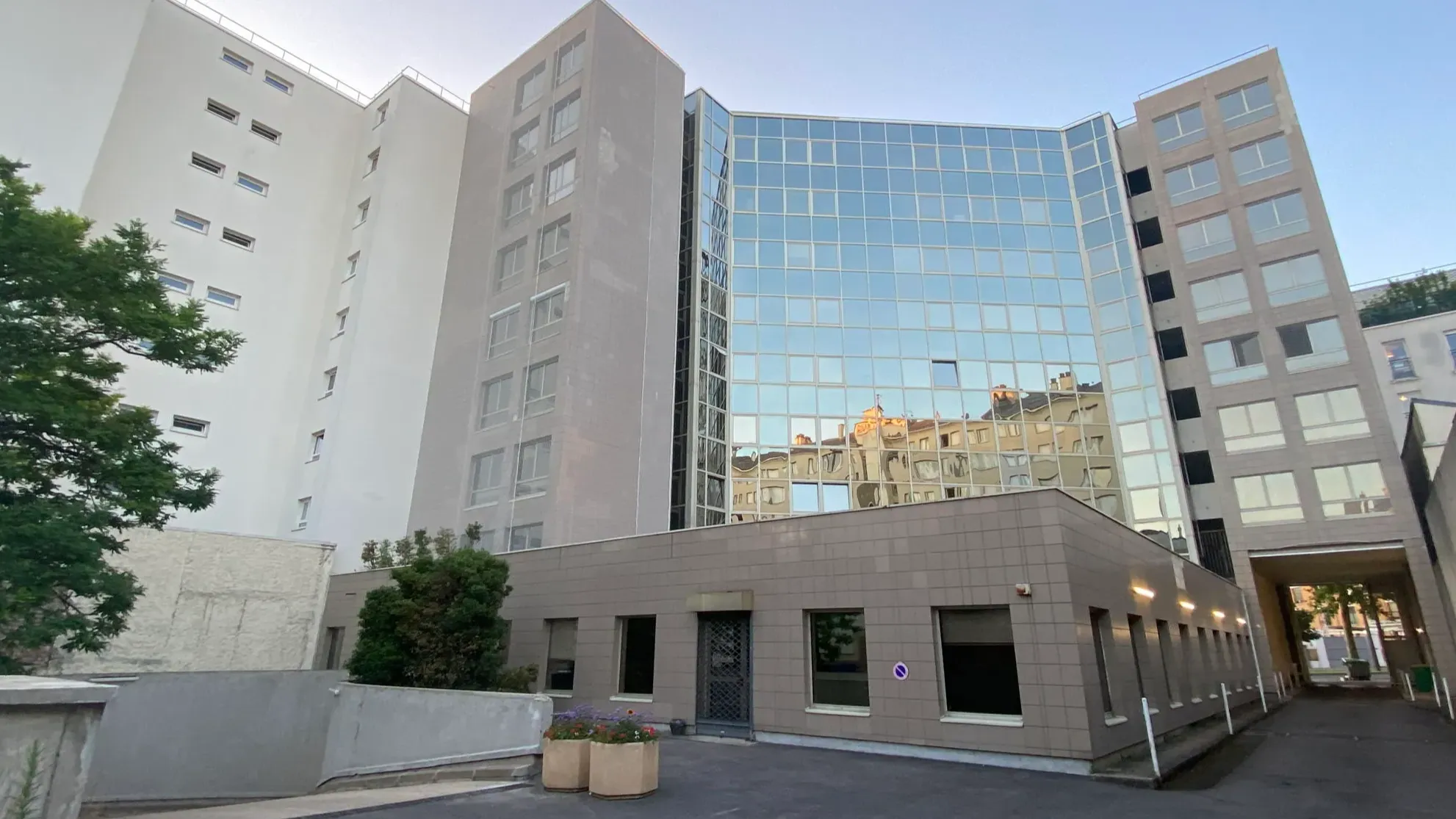
Paris
ATLASEDGE
IT power available
300 kW
PUE
1.7
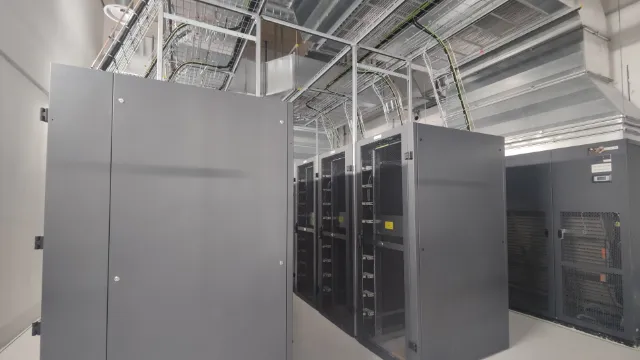
Villejuif Igr
CONNECT-GRAND-PARIS
IT power available
100 kW
PUE
1

Saint Denis Pleyel
CONNECT-GRAND-PARIS
IT power available
100 kW
PUE
1
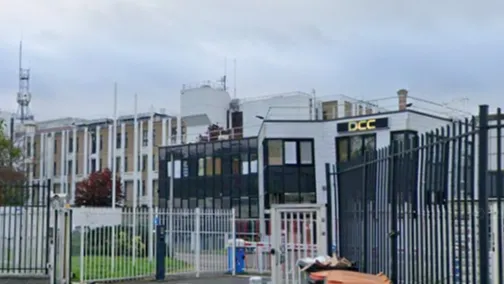
Ultraedge Auber
ULTRAEDGE
IT power available
800 kW
PUE
1.6
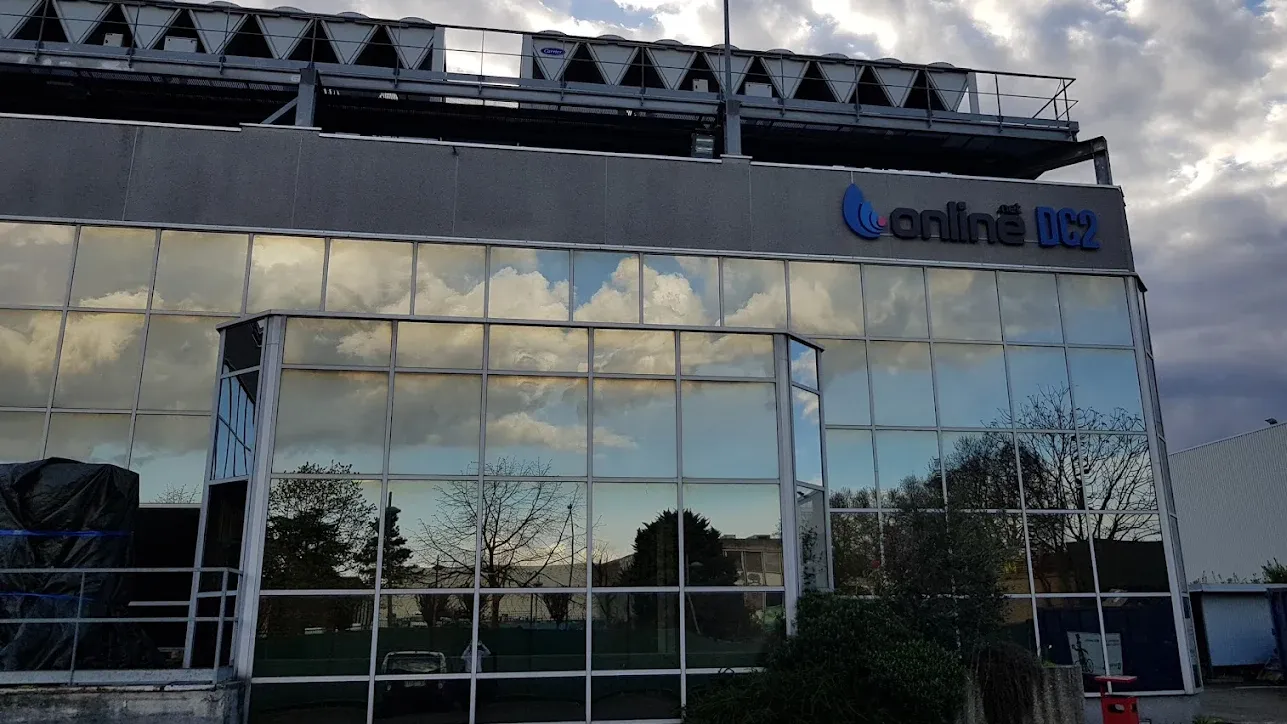
Dc2
OPCORE
IT power available
500 kW
PUE
1.5
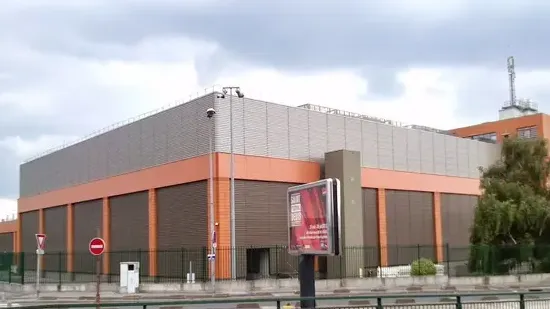
Equinix Pa2/pa3
IELO-LIAZO-SERVICES
IT power available
1 MW
PUE
1.5
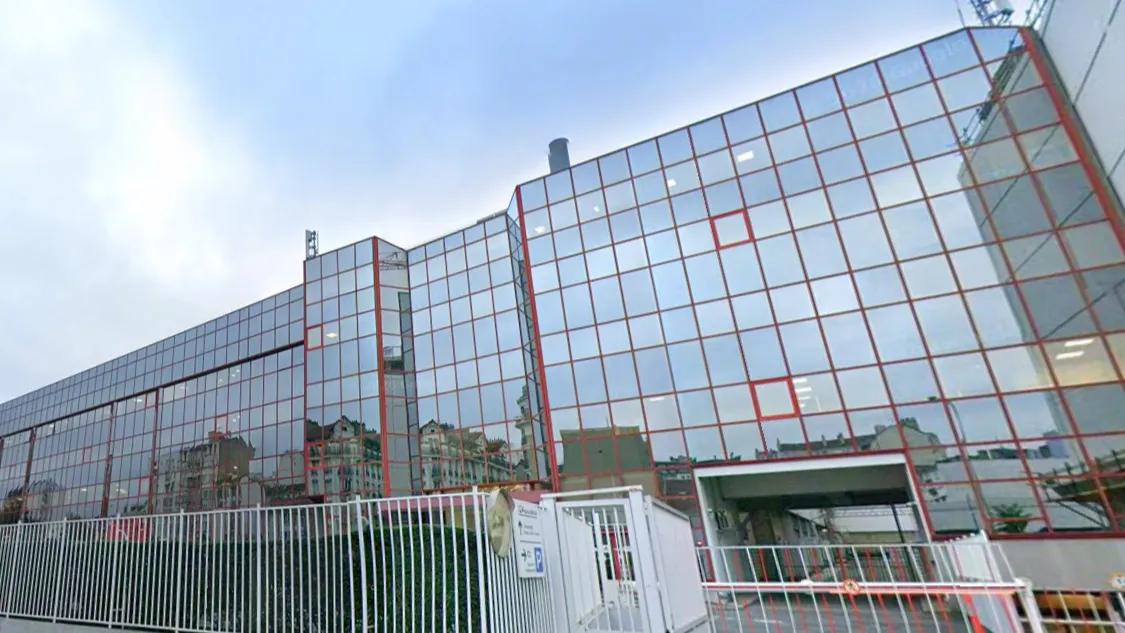
Ultraedge Courbevoie
ULTRAEDGE
IT power available
4 MW
PUE
1.6
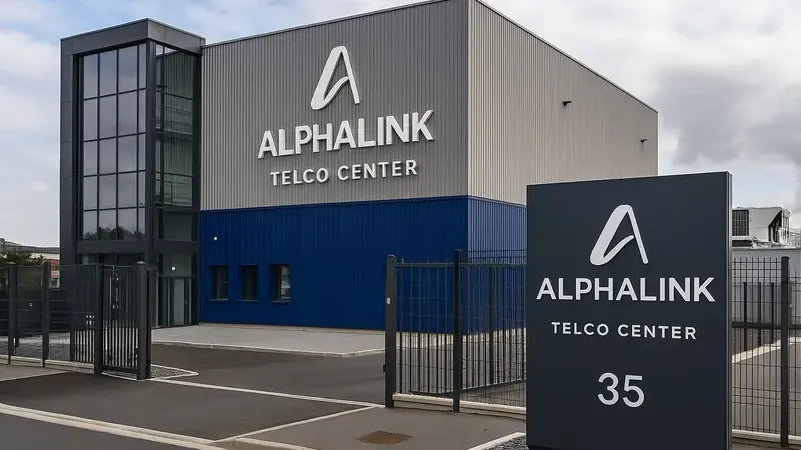
Telco Center
ALPHALINK
IT power available
5 MW
PUE
1.5
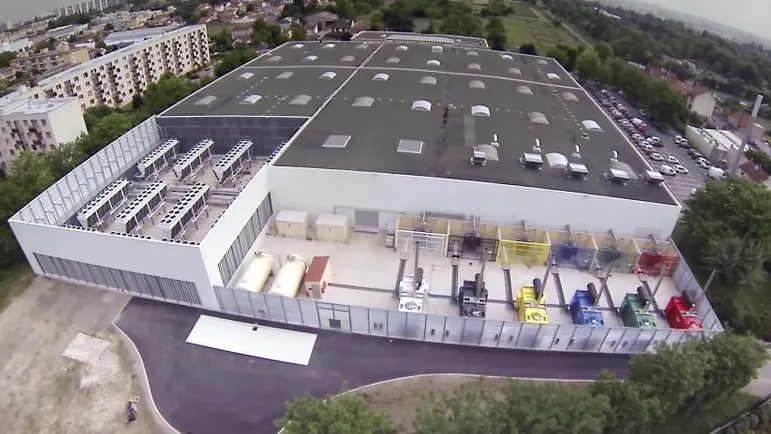
Dc3
OPCORE
IT power available
500 kW
PUE
1.36

Opcore Dc3
IELO-LIAZO-SERVICES
IT power available
12 MW
PUE
1.36
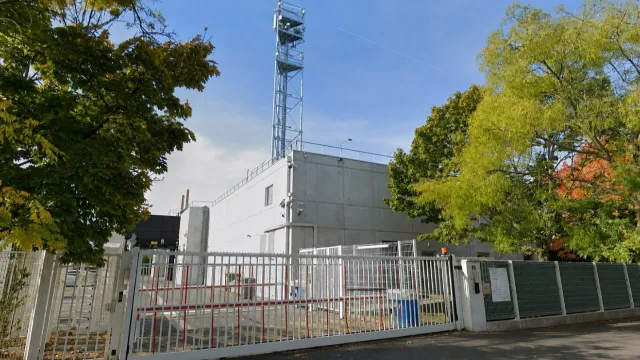
Segit - Bobigny
AXIONE
IT power available
144 kW
PUE
1.5
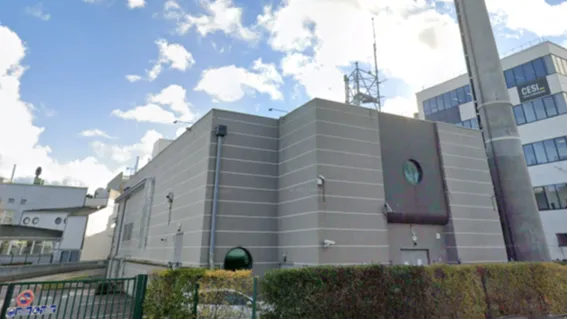
Segit - Nanterre
AXIONE
IT power available
530 kW
PUE
1.2
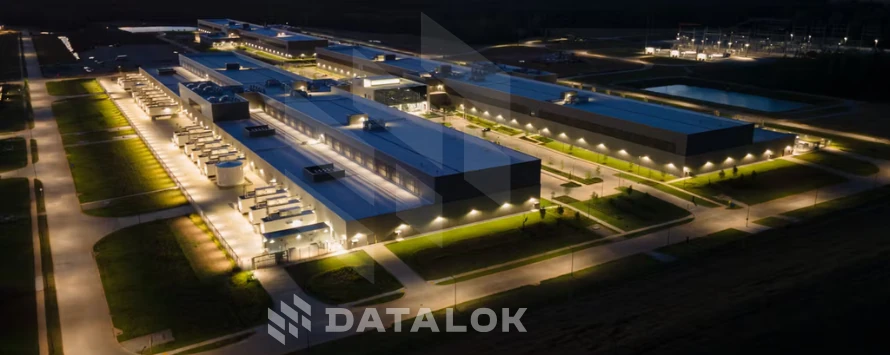
Etix Paris 3
ETIX-EVERYWHERE
IT power available
3 MW
PUE
1.25
Gare Orly
CONNECT-GRAND-PARIS
IT power available
30 kW
PUE
1
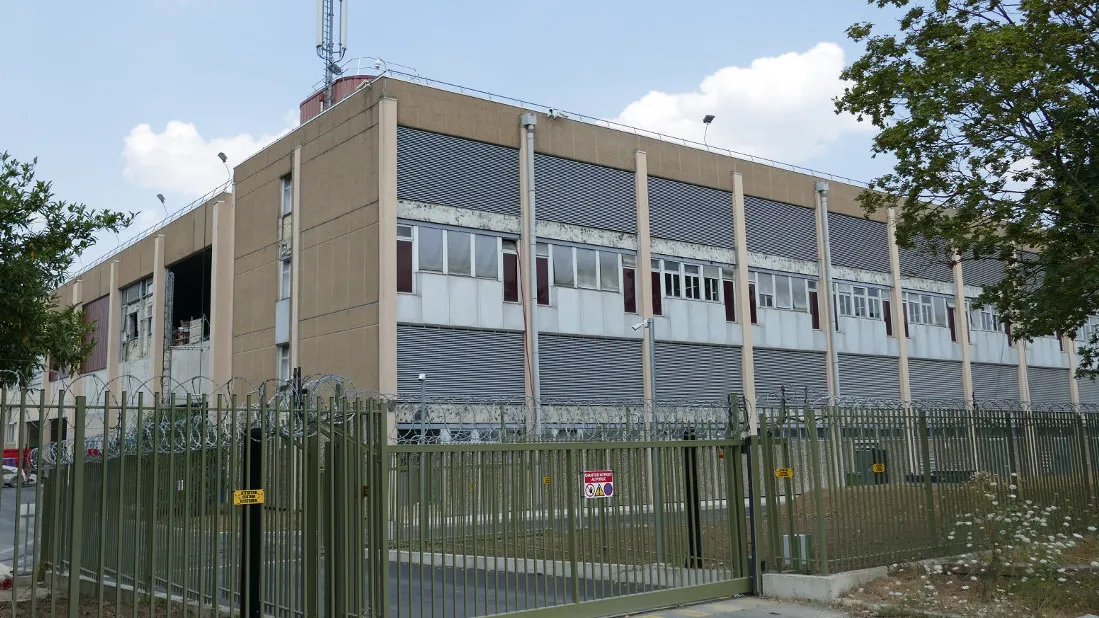
Dc5
OPCORE
IT power available
500 kW
PUE
1.2
Informations about Datacenters around Paris
Total datacenters
16
Total IT power
37.5 MW
Datacenters under construction
2
Climate
Paris enjoys a temperate oceanic climate, characterized by moderate temperatures throughout the year. Winters are mild with average temperatures around 5°C, while summers remain pleasant with temperatures ranging between 20 and 25°C. Rainfall is evenly distributed throughout the year, totaling around 650 mm annually, in the form of light rain rather than heavy showers. This stable climate is a major advantage for data centers: limited temperature variations reduce air conditioning requirements and optimize the PUE of facilities. Heat waves are rare and the risk of natural disasters remains low, ensuring optimal operational continuity.
Transport
Paris has an exceptional transport infrastructure. The metro-RER network serves the entire Île-de-France region, facilitating access to the business parks where the data centers are located. The A1, A4, and A86 motorways efficiently connect peripheral sites. Roissy-CDG and Orly airports offer direct international connections, which are essential for urgent technical interventions and equipment logistics. This multimodal accessibility simplifies the operational management of infrastructure.
Natural disasters
Flood