Italy
Shared Housing In Italy: Available Capacity Where European Markets Are Saturated
Italy is emerging as a major data center hub in Southern Europe, driven by its strategic geographic location in the center of the Mediterranean. The country serves as a natural landing point for undersea cables connecting Europe to Africa, the Middle East, and Asia, with more than 33 operational undersea cables and several projects currently being deployed. Milan is home to the majority of Italy’s data center ecosystem and hosts the MIX (Milan Internet eXchange), one of Europe’s leading internet exchange points with more than 420 connected networks and traffic peaks exceeding 3 Tbps. The Italian colocation market is attracting international operators thanks to the availability of real estate and energy, at a time when traditional markets (Frankfurt, London, Amsterdam, Paris, Dublin) are reaching their capacity limits. Operators offer solutions ranging from single racks to wholesale private suites, supported by a well-established ecosystem of infrastructure providers. Beyond Milan, secondary hubs are developing in Rome, Turin, Bologna, and Sicily (Palermo), strengthening national geographic coverage. Italy operates within the European regulatory framework (GDPR) and enforces the Italian Privacy Code, which is aligned with the EU’s e-Privacy Directives. The Italian Datacenter Association (IDA), founded in 2023, organizes the industry and supports the development of national standards for the sector.
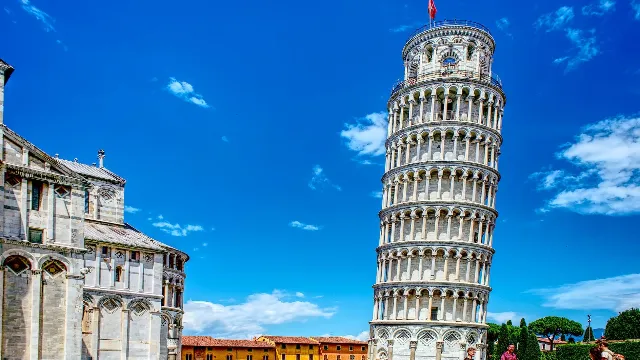
Discover our Datacenters in Italy
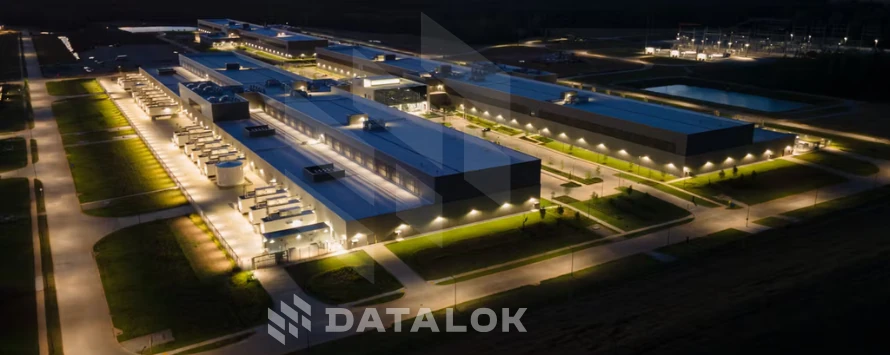
Informations about Datacenters in Italy
Total datacenters
1
Total IT power
400 kW
Datacenters under construction
0
Climate
The Italian climate varies considerably from north to south. In the Po Valley (Milan, the main area for data centers), winter temperatures average -1 to 1°C in January, and summer temperatures reach 22 to 25°C in July, with high humidity. Free cooling can be used effectively from October through April in the north of the country. In summer, the humidity in the Po Valley (which can exceed 80% in winter) and summer temperatures limit the use of natural cooling, impacting the PUE. Sites in northern Italy offer better cooling potential than those in the south, where summer temperatures regularly exceed 35°C. The Mediterranean climate of the south-central region, which is drier in summer, reduces the need for dehumidification but requires sustained mechanical cooling from June through September.
Transport
Italy has a dense air transport network with several major international airports: Milan Malpensa and Milan Linate serve the country’s main data center hub, complemented by Rome Fiumicino (Italy’s largest airport), Bergamo Orio al Serio, Naples Capodichino, and Catania Fontanarossa for secondary hubs. The high-speed rail network (Frecciarossa) connects Milan to Rome in about 3 hours, to Turin in 1 hour, and to Bologna in 1 hour. The highway network connects major cities via the A1 (Milan–Rome–Naples), A4 (Turin–Milan–Venice), and A14 (Bologna–Bari) routes, facilitating maintenance operations throughout the country.
Natural disasters
Earthquake, Flood, Landslide