Germany
Hosting And Network Infrastructure In Germany - Reliability And Local Expertise
Germany occupies a central position on the European data center map. With more than 500 operational facilities and a total capacity approaching 3,000 MW, the country is the second largest colocation market in Europe. Its geographical location in the heart of the continent, at the crossroads of the main east-west and north-south network axes, makes it an essential gateway for distributed architectures on a European scale. Frankfurt accounts for more than a third of the country's capacity and hosts DE-CIX, the world's largest Internet Exchange with more than 18 Tbit/s of peak traffic and more than 1,000 connected networks. Beyond Frankfurt, Berlin is establishing itself as the second major hub with rapid capacity growth, while the Rhineland, Munich, and the north of the country are attracting new investment. The colocation segment now accounts for more than half of national capacity, with a comprehensive offering ranging from individual racks to private suites, dedicated cages, and wholesale hosting. The German regulatory framework includes the European GDPR as well as specific national requirements, notably the Energy Efficiency Act (EnEfG) that came into force in 2024, which imposes efficiency and waste heat reuse targets on data centers. BSI C5 certification is a recognized cloud security standard in the local market.
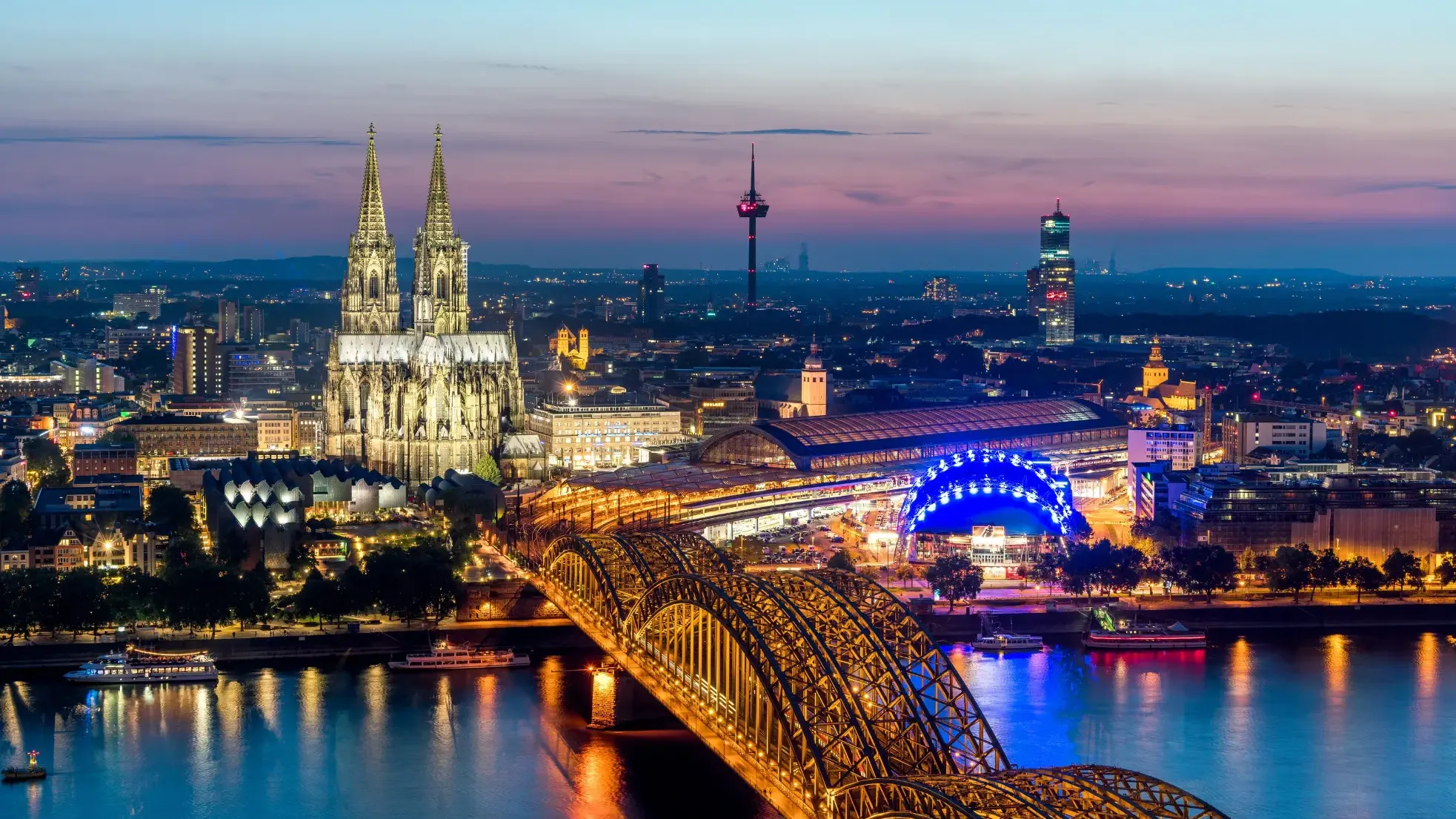
Discover our Datacenters in Germany
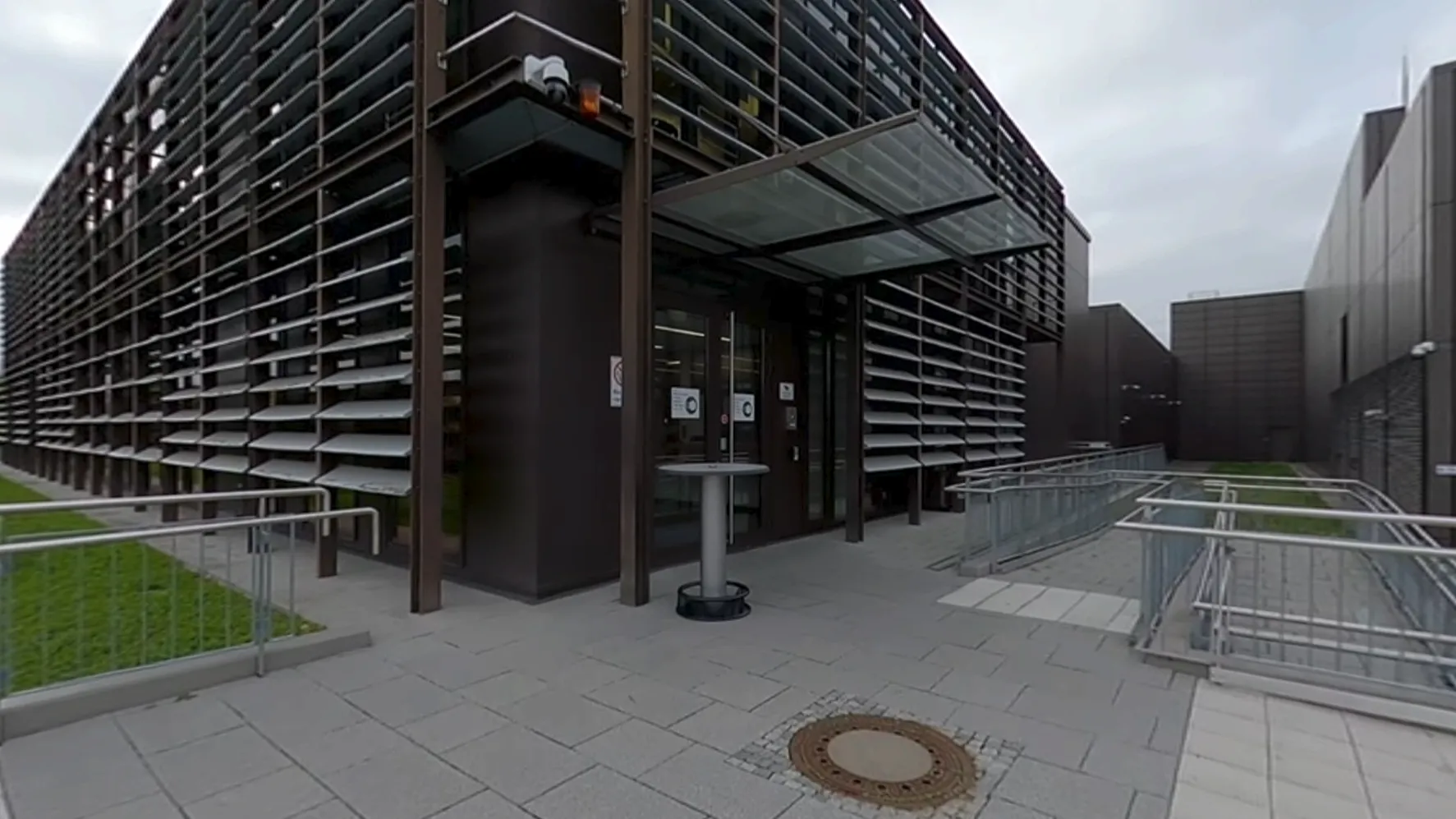
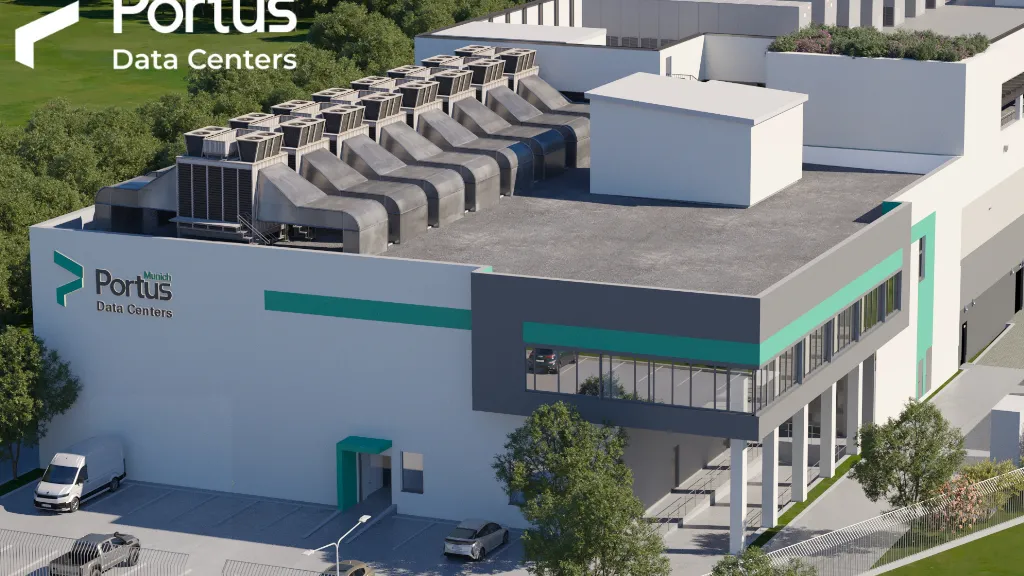
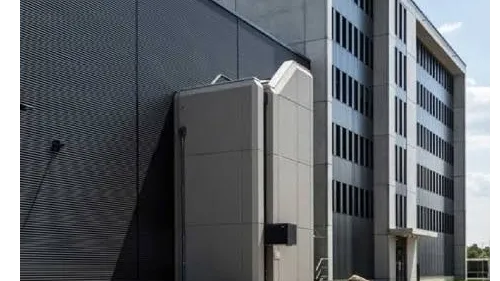
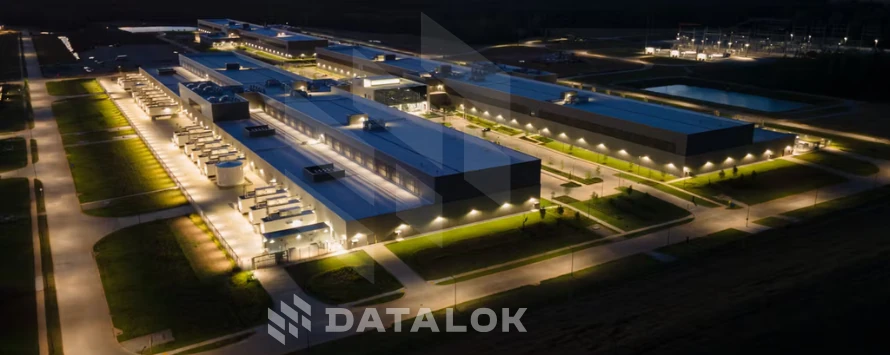
Informations about Datacenters in Germany
Total datacenters
5
Total IT power
27.01 MW
Datacenters under construction
1
Climate
Germany enjoys a temperate climate that is favorable for data center operations. Average winter temperatures range from -4°F to 35°F depending on the region, while average summer temperatures range from 63°F to 86°F. These conditions offer significant potential for free cooling during much of the year, particularly from October to April. The north of the country, which is cooler and windier, offers the most favorable conditions for energy-efficient cooling systems. Average relative humidity ranges from 62% in summer to 78% in winter, levels that are compatible with ASHRAE standards. Summer heat waves, although on the rise, remain sporadic and manageable with appropriate cooling systems.
Transport
Germany has a dense and efficient transport network. Frankfurt Airport (FRA), the country's leading air hub, offers direct connections to major global business centers. Munich Airport (MUC), Berlin Brandenburg Airport (BER), Düsseldorf Airport (DUS), and Hamburg Airport (HAM) complete the international coverage. The ICE high-speed rail network connects major cities (Frankfurt-Berlin in around 4 hours, Frankfurt-Munich in around 3.5 hours), facilitating maintenance work at sites across the country. The motorway network (Autobahn), one of the densest in Europe, ensures optimal road access between the main data center clusters.
Natural disasters
Drought, Wildfire, Flood, Storm